
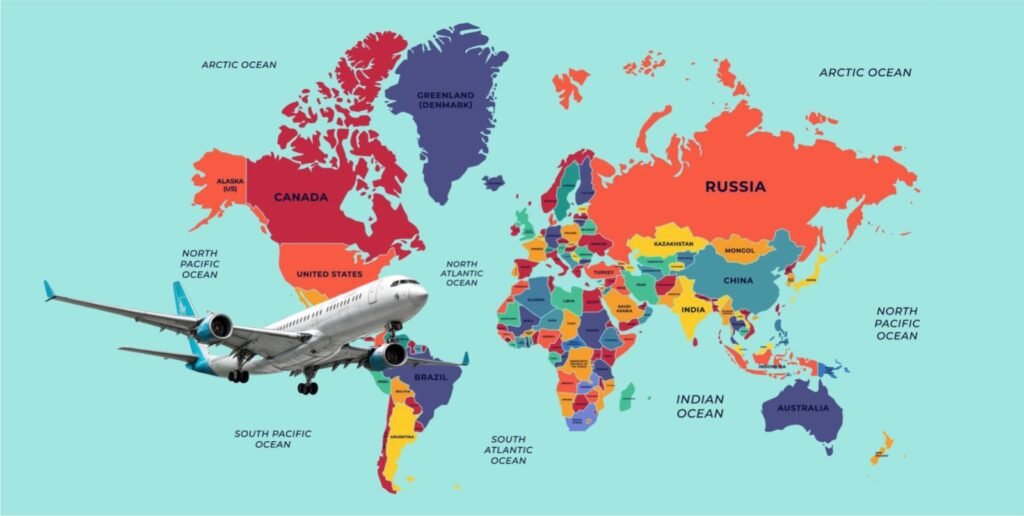
The air cargo industry has moved far beyond being a supporting function of passenger aviation. Today, it stands as a critical pillar of global trade, supply chain resilience, and economic growth. As businesses demand speed, reliability, and precision, air cargo continues to unlock powerful opportunities for airlines, logistics providers, shippers, and investors worldwide.
A Market Driven by Speed and Value
Air cargo carries less than 1% of global trade by volume, yet it represents over 35% of global trade by value. This alone highlights its strategic importance. High-value, time-sensitive, and temperature-controlled goods—such as pharmaceuticals, electronics, perishables, and aerospace components—depend on air transport to reach markets quickly and safely.
With global supply chains becoming more complex and customer expectations rising, the demand for fast and dependable cargo solutions is growing steadily. E-commerce, just-in-time manufacturing, and cross-border trade are key drivers pushing air cargo volumes upward.
E-commerce and Express Logistics Growth
One of the biggest opportunities in the air cargo sector comes from the explosive growth of e-commerce. Consumers now expect faster delivery times, even for international shipments. This has fueled strong demand for express cargo, courier services, and dedicated freighter operations.
Air cargo operators that invest in regional connectivity, night operations, and last-mile partnerships are well-positioned to capture this growth. Emerging markets in Asia, the Middle East, and Africa are becoming vital hubs, connecting manufacturers directly to global consumers.
Pharmaceuticals and Specialized Cargo
The rise of pharmaceutical manufacturing, biotechnology, and life sciences has opened a high-value opportunity for air cargo operators. Temperature-sensitive shipments such as vaccines, medicines, and medical equipment require strict handling standards, certified facilities, and advanced monitoring systems.
Airlines and logistics providers that develop expertise in cold chain logistics, dangerous goods handling, and live animal transport can differentiate themselves and command premium yields. Specialized cargo is no longer niche—it is becoming a core revenue stream.
Dedicated Freighters and Fleet Expansion
The shift toward dedicated freighter aircraft is another major opportunity. Many operators are expanding or launching cargo-only airlines to meet growing demand without relying on passenger belly capacity. Converted freighters, narrow-body cargo aircraft, and medium wide-body fleets offer flexible and cost-effective solutions for regional and international routes.
This trend also creates opportunities for aircraft leasing companies, MRO providers, ground handling agents, and cargo terminal operators.
Digitization and Smart Cargo Solutions
Technology is reshaping the air cargo industry. Digital booking platforms, real-time shipment tracking, e-AWB adoption, and AI-driven demand forecasting are improving efficiency and transparency across the supply chain.
Companies that embrace digital transformation can reduce operational costs, improve customer experience, and gain better control over capacity management. Smart cargo solutions are no longer optional—they are essential for future competitiveness.
Emerging Markets and Trade Corridors
Emerging economies present significant untapped potential for air cargo growth. Infrastructure development, free trade zones, and government-led logistics initiatives are strengthening new trade corridors across the Middle East, South Asia, Africa, and Latin America.
Strategically located hubs with strong airport infrastructure and supportive regulations can attract cargo airlines and logistics players, turning regions into global air freight gateways.
Sustainability as a Competitive Advantage
While sustainability presents challenges, it also creates new opportunities. Fuel-efficient aircraft, sustainable aviation fuel (SAF), optimized routing, and green cargo terminals are becoming key differentiators. Customers increasingly prefer partners who demonstrate environmental responsibility.
Air cargo companies that invest early in sustainable practices can strengthen brand value, meet regulatory requirements, and secure long-term partnerships with global shippers.
Conclusion
The air cargo industry is entering a dynamic phase of transformation and expansion. Driven by e-commerce, specialized cargo demand, digital innovation, and emerging trade routes, opportunities continue to grow across the value chain.
For airlines, logistics providers, and investors willing to innovate and adapt, air cargo offers not just growth—but resilience and long-term strategic value in an increasingly connected world.
Hi dear Sharik,
Nice article u wrote congratulations.
Thank You